Clowndoctors
Our Clowndoctors visit children and young people in hospitals, hospices, and ASN schools. They are professional fools who are experts in interaction.
Clowndoctors value, validate, and amplify a young person’s unique voice, unique humour, and unique imagination, at times when they may be feeling powerless, anxious, isolated, bored, or in pain.
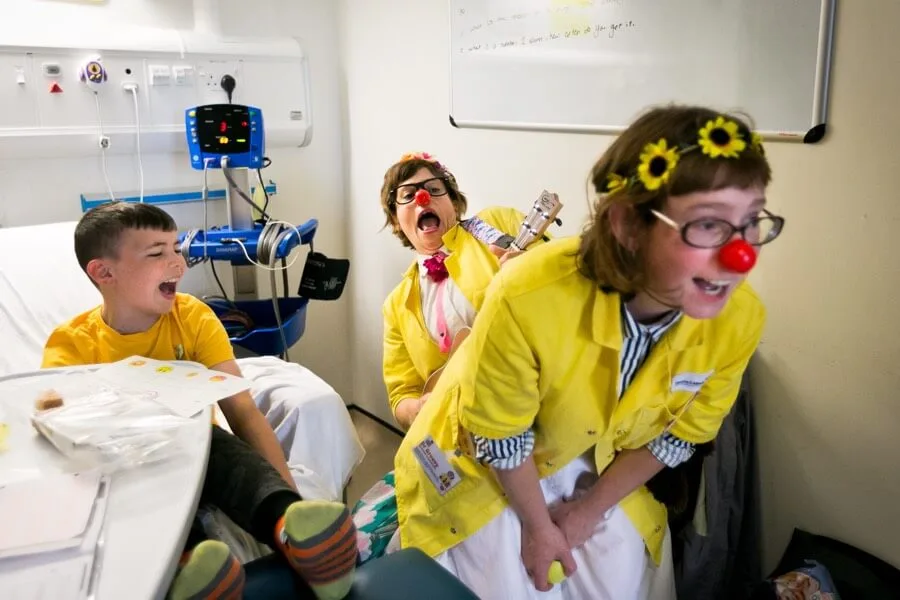
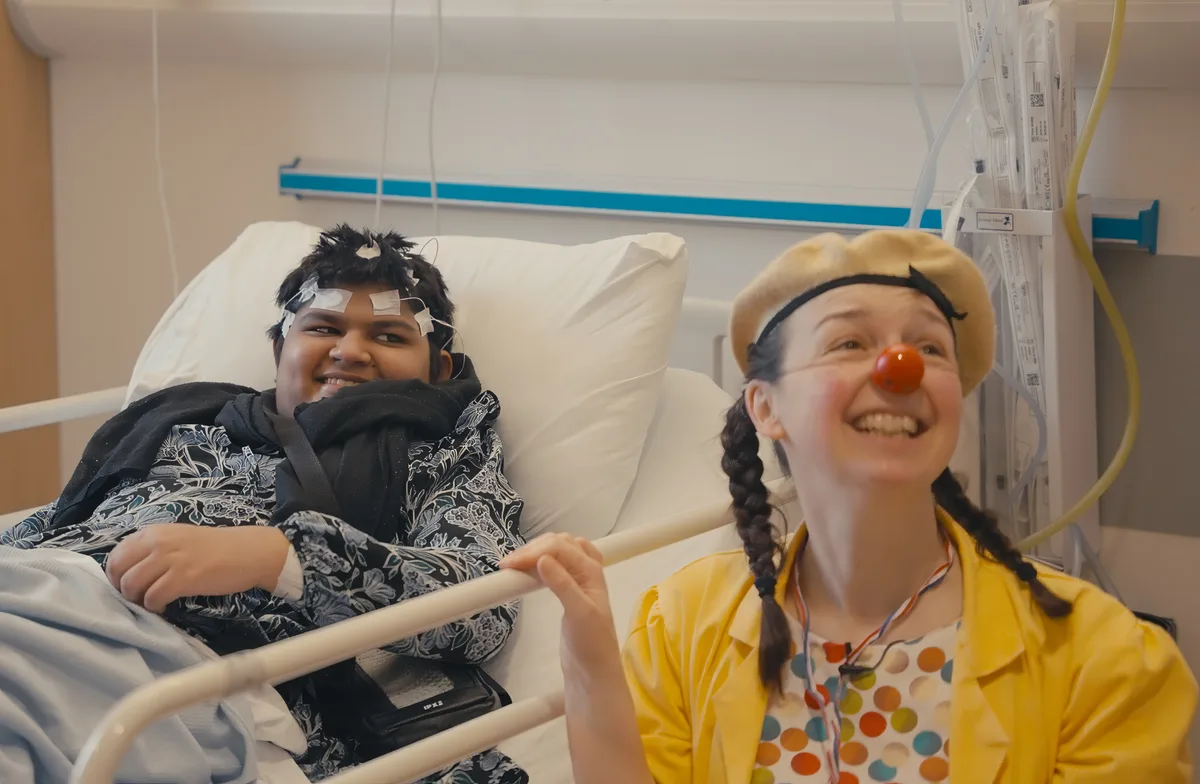

Just a small red nose
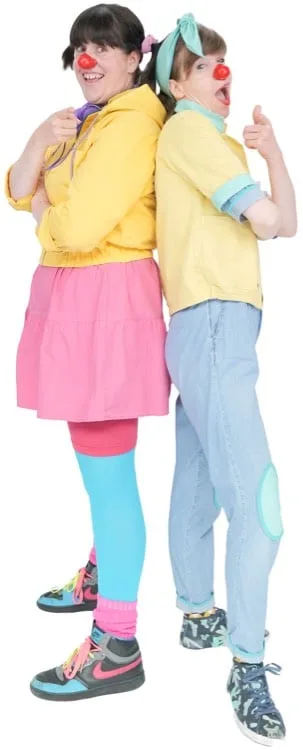
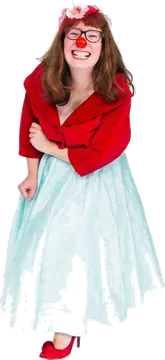
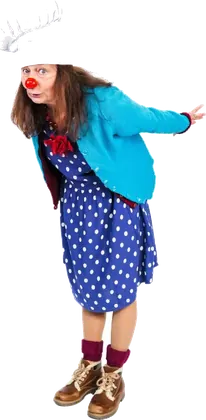
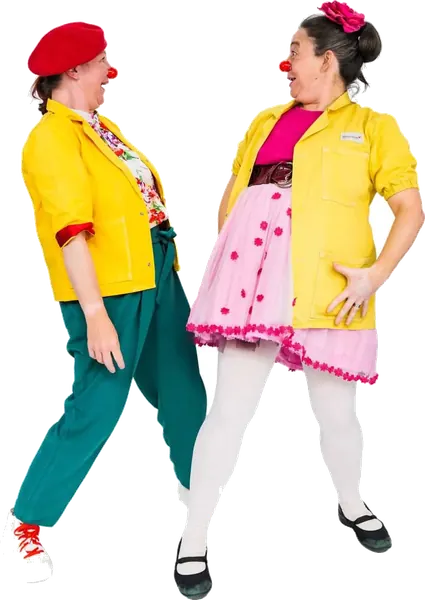
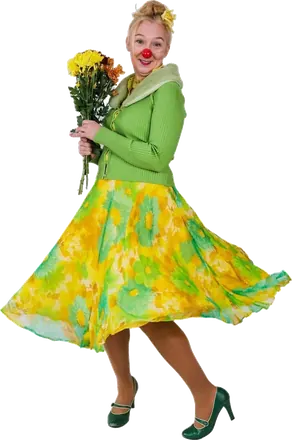
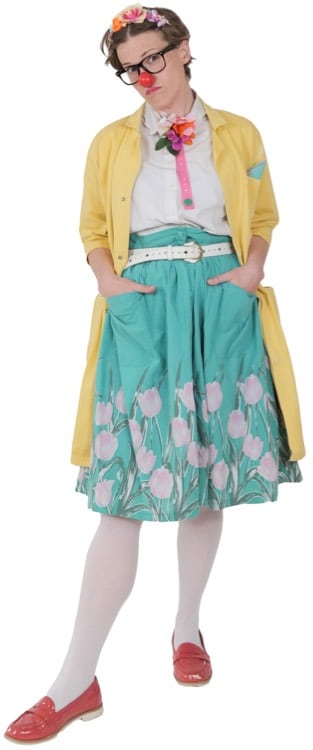
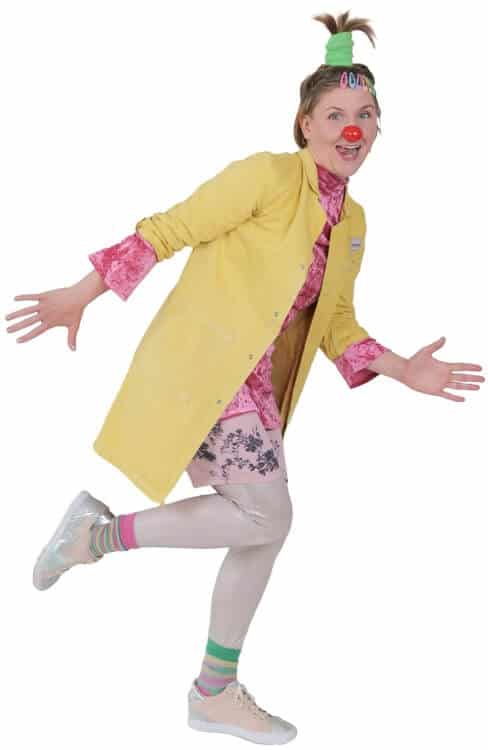
Our Clowndoctors are healthcare clowns, not party clowns. There’s no wacky make-up or custard pies! They wear smart (but silly) costumes, bright yellow coats, and red noses. They do not perform rehearsed routines.
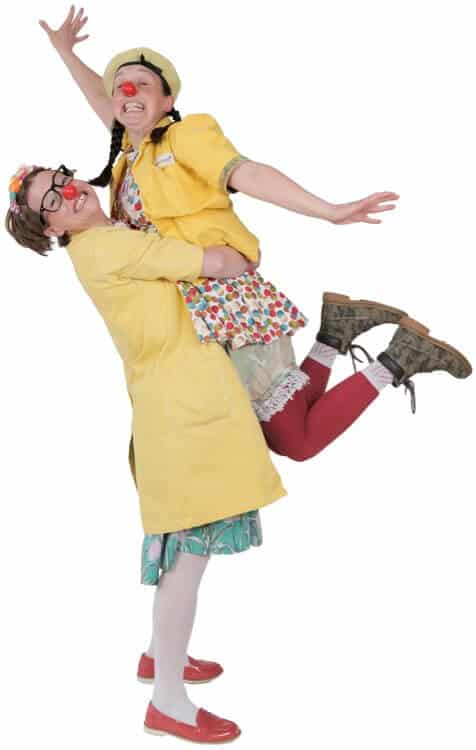
Always Working in Duos
They always work together in duos and improvise visits with children and young people who are referred to them by staff.
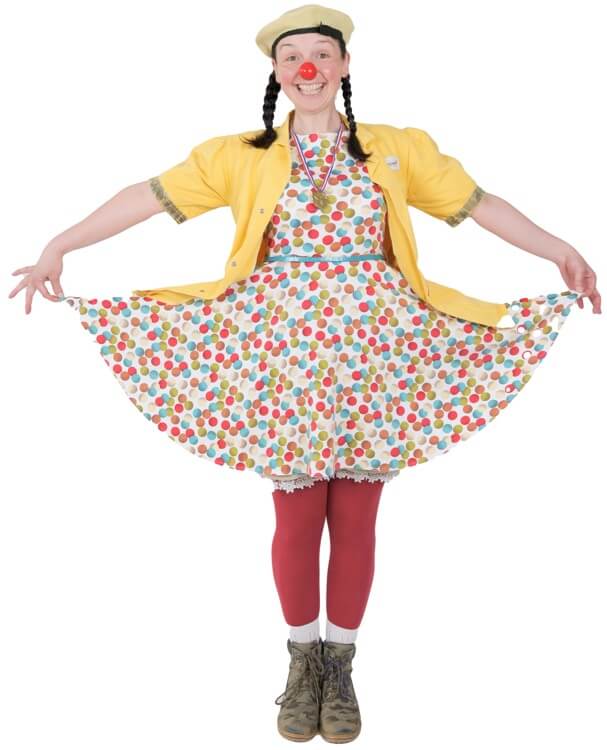
Professional Artists
Our Clowndoctors are multi-skilled professional theatre-clown performers, specially trained to work in healthcare.
After successfully auditioning to join our team of performers, they receive continuing training in healthcare clowning, as well as training specific to the hospitals, hospices, and schools we visit.
Sessions throughout the year focus on topics such as trauma-informed practice, safe-guarding, disability awareness, autism awareness, and sensory communication. We provide team facilitation sessions to support well-being and reflective practice.
Behind the Scenes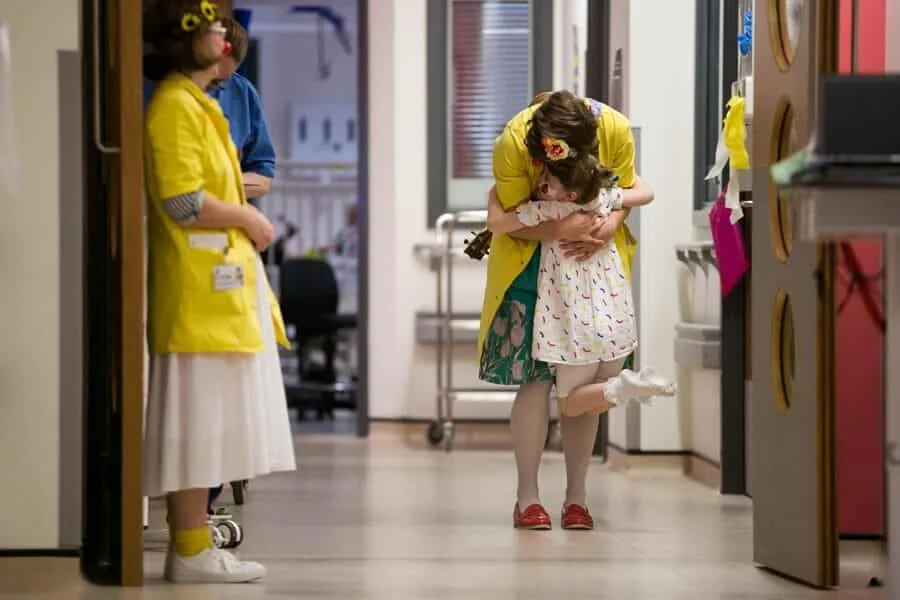
🎬 Watch: The Cookie Conundrum with our Clowndoctors in action
No two visits are the same
Healthcare staff refer Clowndoctors to individual children and young people, and our visits are improvised with them. Each visit is unique to the child and led by them, giving them choice and control while responding to how they are feeling in that moment.
As every child and young person is different, every single one of our Clowndoctor visits is different too. Anything is possible when there’s a Clowndoctor in the room.
"For a moment we all forget we're in hospital."
— Sunday Herald“That was my joyous moment of the day. We'll be replaying that many times”
— Mum of 13yr old with ASN“The Clowndoctors co-create the moment with the child. They give them back a sense of control and help them feel powerful in a place where they often feel powerless.”
— Ronan McMahon (Dr Biscuit)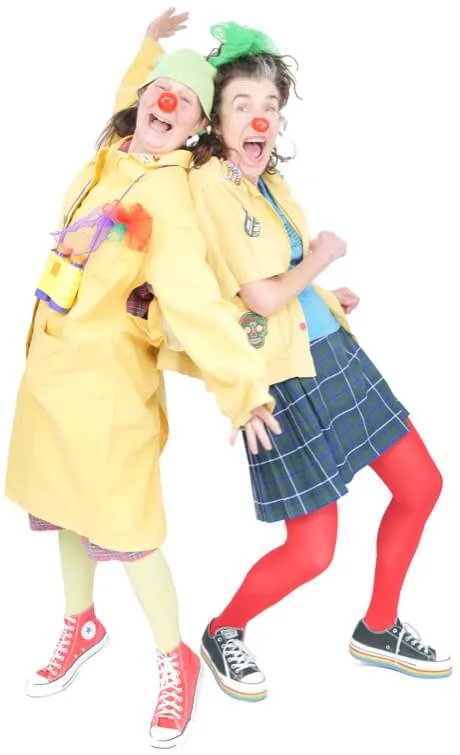
In Hospitals and Hospices
Our Clowndoctors are engaging, playful and compassionate. They are available to visit everyone receiving healthcare, whatever their age, ability or diagnosis.
Healthcare staff refer Clowndoctors to individual patients - one-time visitors, “frequent flyers”, and those who spend most of their lives in hospital. Clowndoctors meet a child where they are and how they are, at that moment. Together with them, they co-create a visit where the child is always the expert of their experience and is always in charge of the Clowndoctors.
When children are in hospital, they can often feel powerless, anxious, isolated or bored. During a Clowndoctors visit, clinical spaces become less tense and scary for children and their families. This can lead to an improvement in well-being, increased engagement with clinicians and medical interventions, and even shorter stays in hospital. We always seek permission from the child at the beginning of the visit, and we always respect their decision about whether The Clowndoctors are welcome visitors.
A visit might be as delicate as a lullaby composed with a baby’s gurgles, as chaotic as a slapstick battle with uncooperative hospital furniture, or as brief as a child blowing towards their cubicle window, making the Clowndoctors fly down the corridor. Anything is possible when the Clowndoctors are in the room.
Clowndoctors support healthcare staff by providing emotional relief for young patients and their families. Our performers can report back to clinicians after a visit, sharing observations about a child's emotional state, communication preferences, their humour, and imagination.
“What sets the Clowndoctors apart is the deep responsiveness to each child’s emotional state. This isn’t distraction—it’s emotional attunement.” — Dr Denise Milne, Evaluation Report, Glasgow Children’s Hospital (2023)
If you have a visit from the Clowndoctors, we hope you will remember it for a long time too. If you have taken your own pictures or videos, please share them. We love to see it all. You can tag @heartsminds on social media, and you can upload them to our website HERE too!
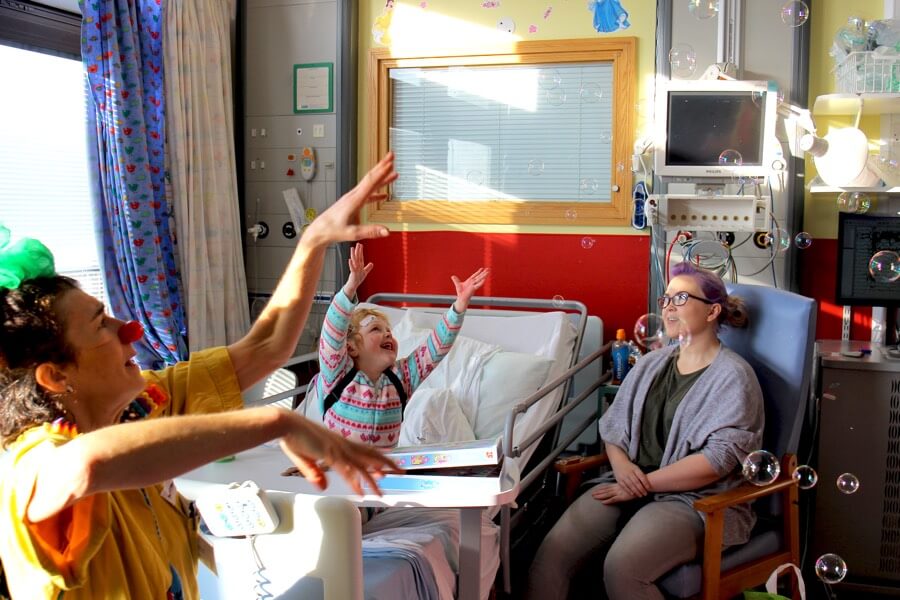
“You made my day today. My head hurts from laughing” — Dad of 15 year old girl in for a day of visual telemetry
Where we visit
Our visits take place across Scotland in children's hospitals, hospices, and additional support needs (ASN) schools. Hover over or tap any red nose on the map to explore our partner units:


The 11 Units We Visit
11 UnitsHover over any unit to highlight its map location, or click to visit their official site:
-
Royal Hospital for Children & Young People Edinburgh • Children's HospitalWebsite ↗
-
Royal Hospital for Children Glasgow • Children's HospitalWebsite ↗
-
Ninewells Hospital Dundee • HospitalWebsite ↗
-
Rachel House Kinross • Children's Hospice (CHAS)Website ↗
-
Robin House Balloch • Children's Hospice (CHAS)Website ↗
-
Beatlie School Livingston • ASN SchoolWebsite ↗
-
Sunndach Livingston • Respite Care CentreWebsite ↗
-
Oaklands School Edinburgh • ASN SchoolWebsite ↗
-
Royal Blind School Edinburgh • Specialist SchoolWebsite ↗
-
Calareidh Edinburgh • Respite Care CentreWebsite ↗
-
Fairview School Perth • ASN SchoolWebsite ↗
Clowndoctors
Enhancing well-being in children's hospitals and hospices across Scotland; including intensive care units, oncology wards and surgical recovery.
Clowndoctors in the Classroom
Engaging and empowering young learners in ASN schools and specialist education.

“I can’t praise the Clowndoctors enough. They enhance what we’re trying to do… They interact with children who won’t interact with us… even after they’ve gone, the children are happy, and we enjoy a much better relationship with them.” — Alison Armstrong, Senior Nurse, Glasgow Children’s Hospital