How does it work?
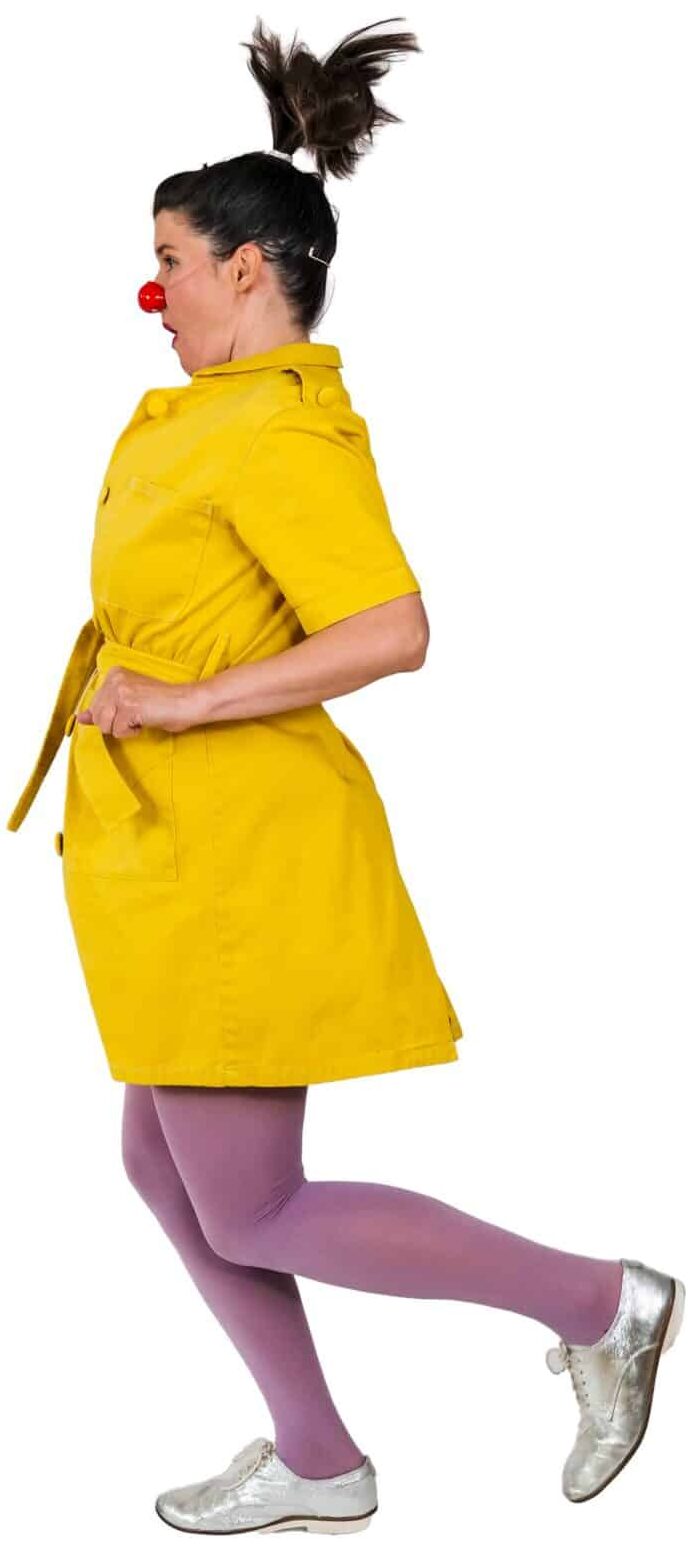
Our Clowndoctors and Elderflowers are trained therapeutic clowns. This means they are professional performers who use clowning techniques such as improvisation, surprises, music, slapstick, celebrating mistakes, rhythm and naivety to create a unique,
tailor-made fun visit, just for you.
Person centered
Visits are made for and by the people we see. They're bespoke, live, unique and inclusive.
The Red Nose
The world's smallest mask. A universal symbol for play. We don't wear makeup or big shoes or curly wigs. We're open, responsive and sensitive.
Creating connections
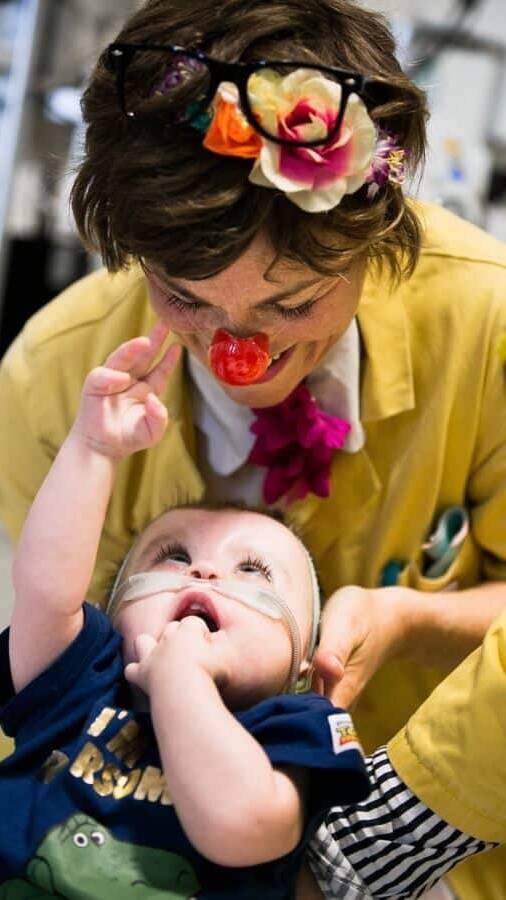
Therapeutic clowns connect with people by listening, playing, engaging and empowering.
You are the Champion
You are the champion, the expert, the hero, and we Clowns always need your help. We're always the sidekick to your ideas and responses. We help empower those with little power with our naivety and eagerness to please.
Humour, sensitivity and positivity
Our Clowndoctors and Elderflowers visit people who might be feeling sad, lonely, anxious, worried, or needing help and we aim to improve the experience of being in hospital or hospice care by using the performing arts and therapeutic clowning to encourage relaxation, resilience, stimulation, social interaction, and laughter.
The Clowndoctors also visit schools for children with complex needs as visits from the Clowndoctors can help with learning, encouraging engagement, communication, participation and improve mental health and wellbeing – as well as being lots of fun.
Every visit is ‘made to measure’ and improvised, focusing on the participant and their needs, and bringing humour, sensitivity, and positivity to their space.
First we...
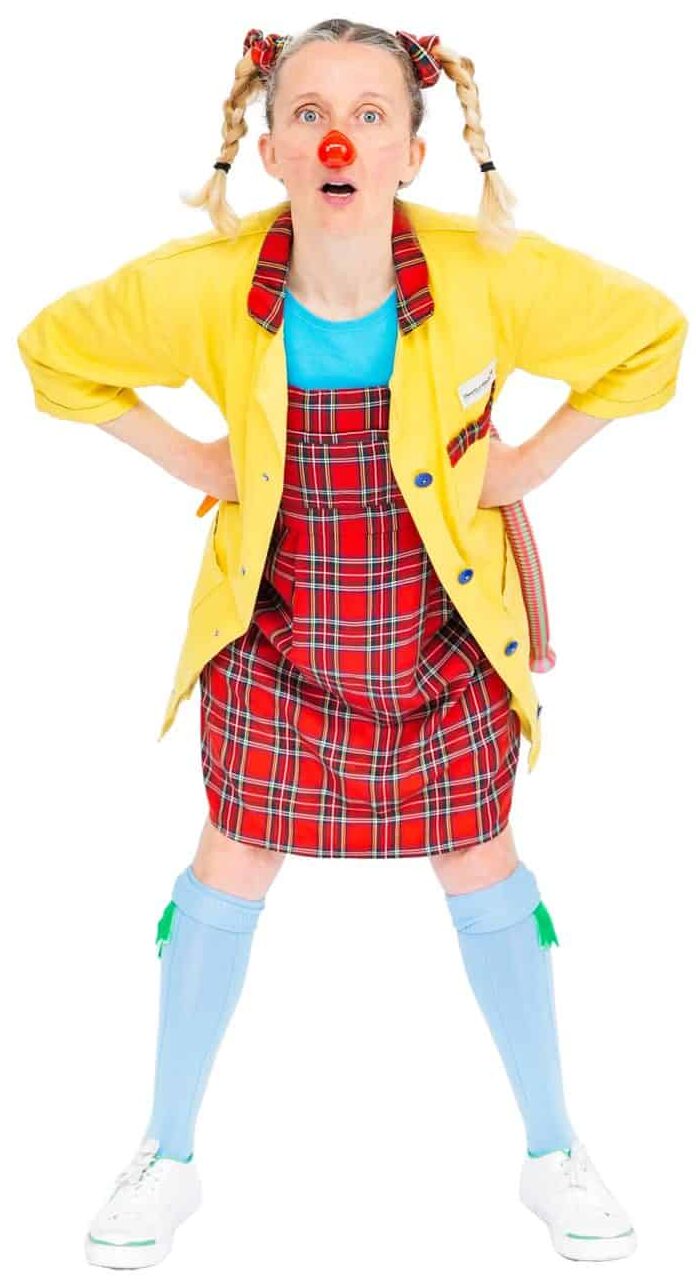
When we, the Clowndoctors or Elderflowers, arrive somewhere, we first meet the staff and find out who we will be visiting that day. We like to know a little bit about everyone, for example, what they like or don’t like, and how they are feeling on this day. We find this out so we can create a unique visit for everyone we see. We do some planning and then we change into our Clowndoctor or Elderflower clothes, warm up our bodies and voices and then, with great excitement, head out to meet people.
Then we...
We head into the corridors, or rooms, or wherever the people we are visiting that day are. We use music and rhythm to signal our arrival, we say hello to everyone we meet, we spread positivity as we move around looking for our ‘friends’. For example, as Elderflowers, we are looking for a lady with dementia called Margaret. She doesn’t speak much but we know she likes Elvis. We sing a gentle Elvis song but can never quite get the words right – until Margaret helps. And then, we can never quite get the lip right, or the hips – all requiring Margaret's help as she laughs at our best efforts to be like Elvis. This makes Margaret smile, laugh and sing, and builds her confidence as an advice-giver.
And finally...
At the end of the day, we reflect on all the visits we have made, hopefully leaving laughter, a positive atmosphere, and sometimes chaos, in our trail. In one single day the Clowndoctors can be on the moon, deliver red noses, be magicians, throw imaginary fish around, get stuck in doors, have conversations with teddy bears and show off their best dancing skills – all with the help of a child or young person. At the end of the day, we talk to staff about our visits, we write up what we have done so that we can use it for our next visit, we take off our costumes, and feel privileged to have met so many wonderful people.

We've seen our children engage in ways we just haven't seen before. The Clowndoctors are just amazing!
Feedback from Fairview School, Perth